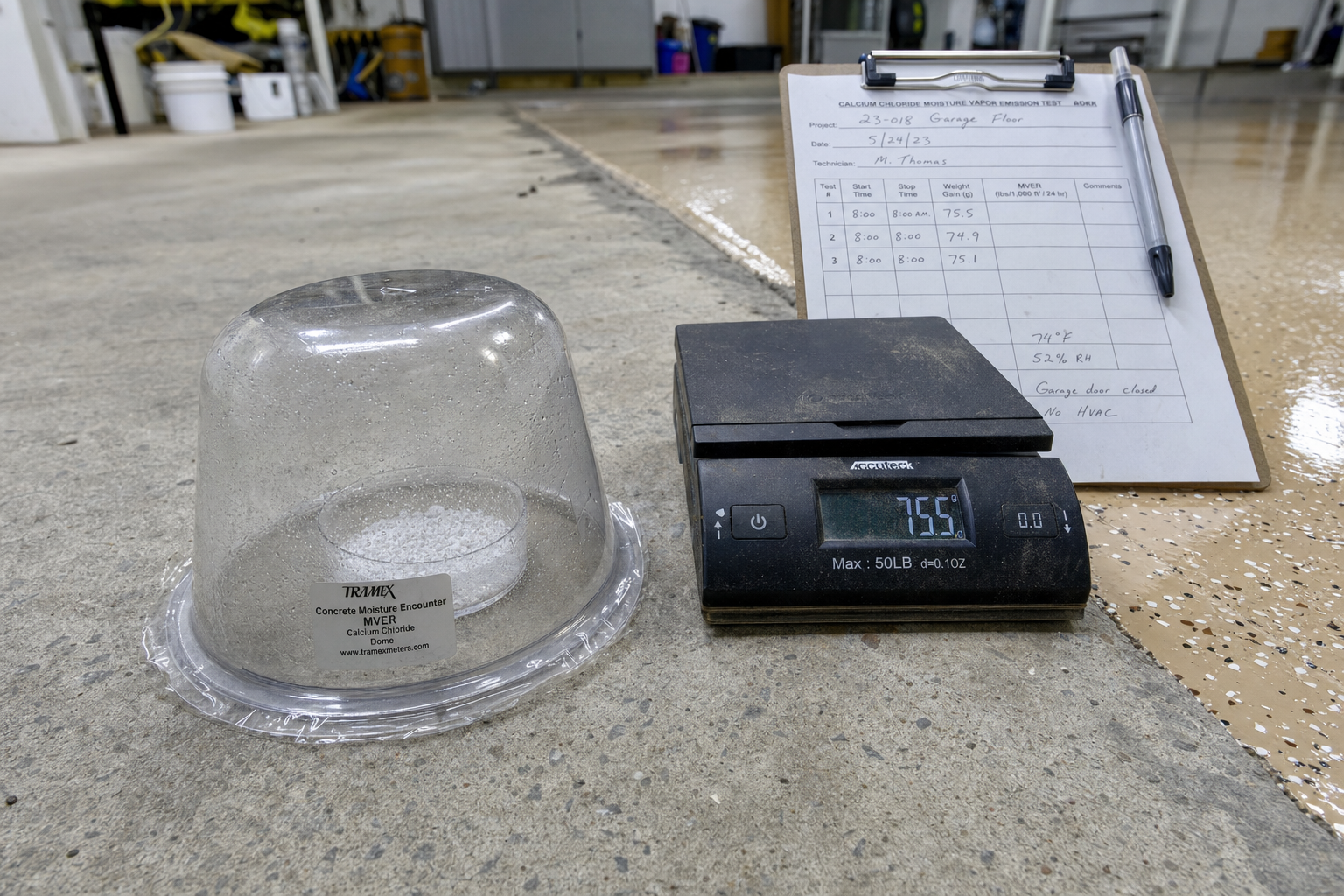
Rockland County's freeze-thaw history means older garage slabs carry hidden moisture. Why testing before epoxy matters more here. (845) 347-5663.
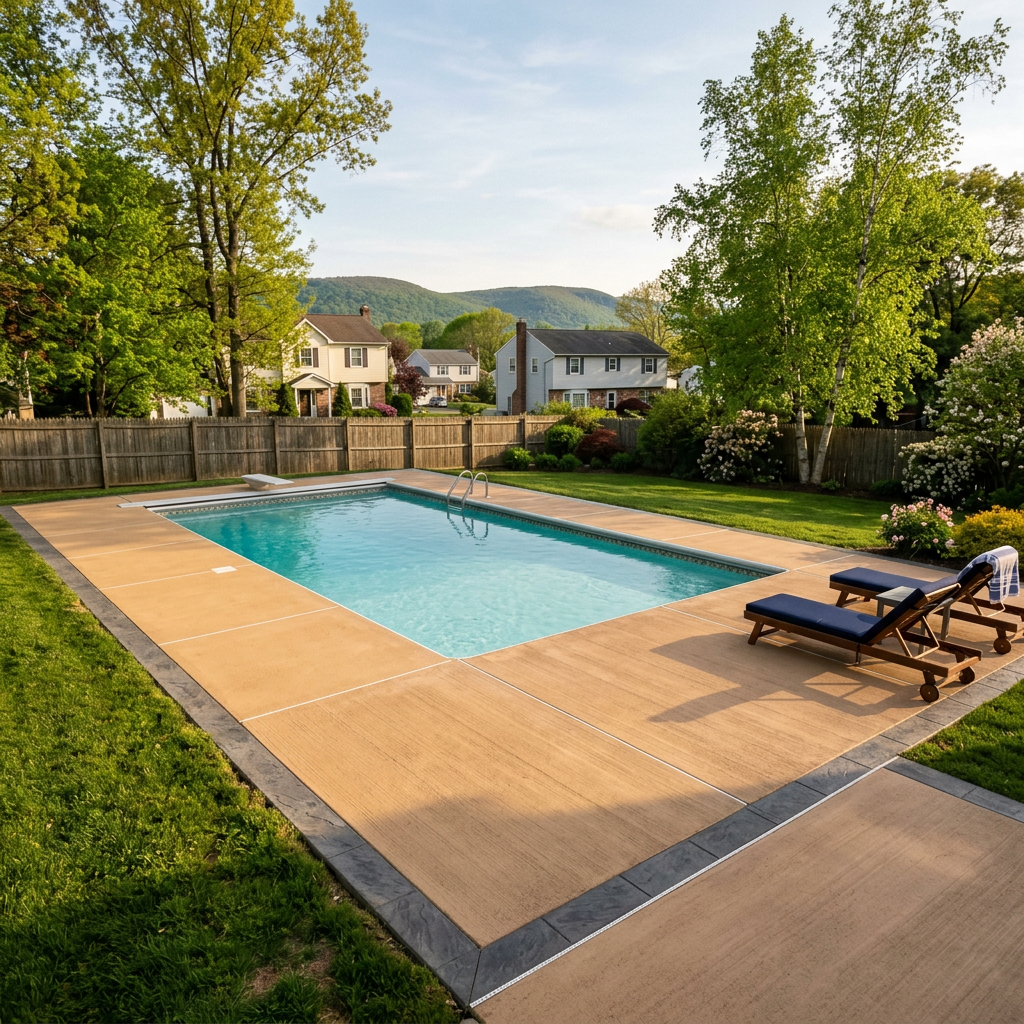
What does a concrete pool deck cost in Haverstraw & Rockland County? 2026 pricing by material, size & finish. Free estimates from local pros. (845) 347-5663.
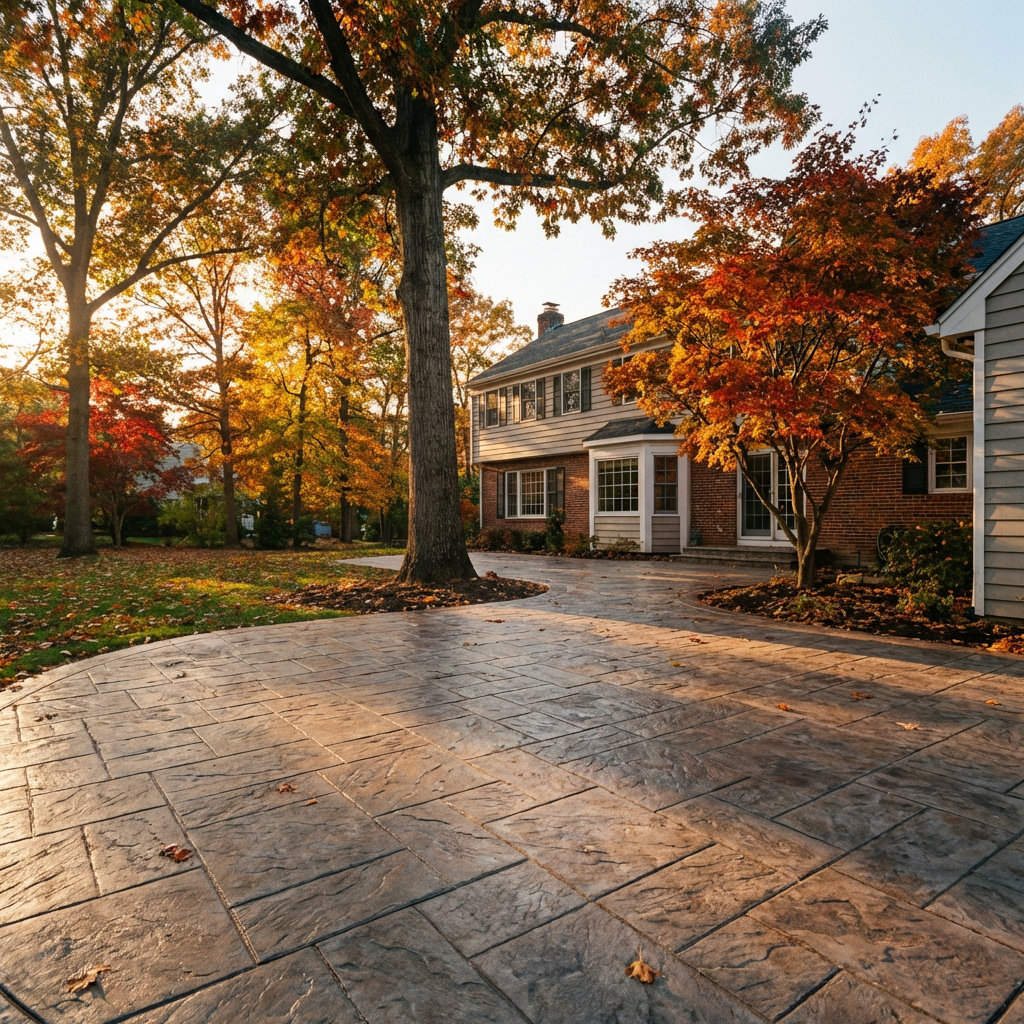
Stamped concrete is one of the most searched patio upgrades in Rockland County — and one of the most misunderstood when it comes to pricing. Homeowners in Haverstraw, Stony Point, Thiells, and West Haverstraw frequently start the process expecting to pay what they saw quoted in a national blog, only to discover that local pricing reflects local realities: Hudson Valley labor rates, Rockland County permit requirements, and the specific demands of a cold-climate installation that has to survive 30+ freeze-thaw cycles per year. This post breaks down what stamped concrete patios actually cost in the Haverstraw area, what drives the price up or down, and what questions to ask before you sign anything. What Is Stamped Concrete and Why Do Rockland County Homeowners Choose It Stamped concrete is poured concrete that's textured and patterned using specialized stamps before it cures, then colored with integral pigment, color hardener, or antiquing releases to create a finished surface that resembles stone, brick, slate, wood, or other materials. The appeal in Rockland County is straightforward: you get the aesthetic of a natural stone or paver patio at a lower installed cost, with a monolithic surface that doesn't shift, settle, or grow weeds between joints. For the Hudson Valley specifically — where ground movement from clay soils and frost heave is a real problem — a properly poured concrete slab with control joints outperforms loose pavers over time. The tradeoff is that stamped concrete requires more skill than plain concrete to install correctly. Color consistency, pattern alignment, and release application are all technique-sensitive. In cold climates like Rockland County, the sealer choice and application timing also directly affect how the surface holds up through winter. Done well, a stamped concrete patio in the Haverstraw area lasts 25–30 years. Done poorly, it scales, fades, and cracks within a few seasons. Stamped Concrete Patio Pricing in Rockland County: Realistic Ranges National cost guides typically quote stamped concrete at $8–$18 per square foot. In Rockland County, realistic installed pricing runs higher due to labor costs, material transport to the Hudson Valley, and the technical requirements for cold-climate installation. Here are honest ranges for the Haverstraw area in 2026: Basic stamped concrete (single pattern, single color, standard finish): $12–$16 per square foot installed Mid-range stamped concrete (two-tone color, more complex pattern, antiquing release): $16–$22 per square foot installed Premium stamped concrete (multiple colors, intricate borders, custom patterns, hand-detailing): $22–$30+ per square foot installed For a typical 400 square foot patio — a common size for a Haverstraw or Stony Point backyard — that translates to: Basic: $4,800–$6,400 Mid-range: $6,400–$8,800 Premium: $8,800–$12,000+ These figures include site prep, forming, pour, stamping, coloring, and initial sealing. They assume a reasonably accessible backyard without significant excavation, unusual slopes, or demo of existing hardscape. What Drives the Price Up Several factors push stamped concrete costs above the baseline in Rockland County: Demolition of existing concrete or hardscape. If there's an existing patio, walkway, or slab that needs to come out first, expect $1–$3 per square foot added for demo and haul-away. Rockland County disposal costs are not cheap. Site grading and excavation. The Hudson Valley has notoriously uneven terrain and heavy clay soil. If your backyard requires significant grading to establish proper drainage slope, or if existing soil needs to be excavated and replaced with compacted gravel base, that adds real cost. A proper 4–6 inch compacted gravel subbase isn't optional in this climate — it's what prevents the slab from cracking when the ground heaves in February. Patio size and shape. Simple rectangular patios are the most economical. Curved edges, multiple levels, integrated steps, or cutouts for trees or planters add forming complexity and labor time. Pattern complexity. Ashlar slate, random stone, and wood plank patterns require more stamp alignment precision than simple running bond brick. Borders with a contrasting pattern add another layer of skill and time. Color combinations. A single integral color is least expensive. Adding a color hardener broadcast on the surface, a second color in the border, and an antiquing release to bring out pattern depth each add cost — but also significantly improve the finished look. Sealer type. Solvent-based acrylic sealers produce a high-gloss wet look and are popular in Rockland County for their visual impact. Water-based sealers are lower sheen and easier to recoat. Matte penetrating sealers offer the most natural look. Each has different price points and recoating requirements. Permits. Haverstraw, West Haverstraw, and Rockland County municipalities require permits for patios above certain square footage, particularly when they connect to a structure or affect drainage. Permit fees typically run $150–$400. A legitimate contractor includes permit handling in the project and pulls them before work starts. What to Watch Out for in Low Bids If a quote comes in significantly below the ranges above, here are the most common reasons: Thin slab. A stamped concrete patio in Rockland County should be poured at minimum 4 inches thick, with 5 inches preferable for heavy use areas. Some contractors quote 3.5 inches to reduce material cost. At that thickness, the slab won't survive the freeze-thaw cycles this region delivers. Ask specifically: "What thickness are you quoting?" No air entrainment. This is the single most important mix specification for cold-climate concrete. Air-entrained concrete has microscopic bubbles that give expanding ice somewhere to go, dramatically reducing surface scaling and spalling. Confirm it's in the mix design. No gravel base. Pouring directly on native soil — especially Rockland County's clay-heavy ground — is a setup for early cracking. A 4–6 inch compacted gravel base is standard practice for patio work in this region. Skipped control joints. Control joints are deliberate weak points cut or tooled into the slab that guide cracking to predictable, manageable lines. They don't prevent cracking — they control where it happens. Skipping them or placing them incorrectly leads to random cracking across the decorative surface. Early sealing. Sealer applied before 28 days traps moisture in the slab and causes discoloration, peeling, and adhesion failure. Some contractors rush this to close out the job and collect final payment. Ask when sealing is scheduled relative to the pour date. Stamped Concrete vs. Pavers in Rockland County: The Honest Comparison This is the question most Haverstraw homeowners ask when pricing a patio. The answer depends on priorities. Installed cost: Stamped concrete typically costs $12–$22 per square foot in Rockland County. Natural stone pavers run $20–$35 per square foot installed. Concrete pavers run $15–$25 per square foot. For equivalent square footage, stamped concrete is usually the lower-cost option. Durability in freeze-thaw conditions: A properly poured stamped concrete slab with air-entrained mix, adequate thickness, and correct subbase performs well in Rockland County winters. Pavers are more forgiving of ground movement because individual units can heave and be reset — but joint sand washes out, pavers shift, and weeds establish in the joints over time. Maintenance requirements are different, not necessarily lower. Repairability: This is where pavers have a genuine advantage. A cracked or stained paver can be replaced individually. A cracked stamped concrete panel is harder to repair invisibly because color-matching cured concrete is difficult. Good stamped concrete contractors can do credible repairs, but the result is rarely seamless. Aesthetics: High-end stamped concrete with multiple colors and skilled application is visually comparable to natural stone. Budget stamped concrete with a single flat color and basic pattern looks like what it is. The quality of the finished product reflects the quality of the installation, not the category. For most Haverstraw homeowners working with a defined budget, well-executed mid-range stamped concrete delivers more visual impact per dollar than pavers at the same price point. Maintenance: What Stamped Concrete Requires Long-Term Stamped concrete is lower maintenance than many homeowners expect — but not maintenance-free. Resealing every 2–3 years. Sealer protects the color and surface from UV fading, moisture infiltration, and de-icing salts. In Rockland County's climate, every 2–3 years is the realistic interval. Cost for professional resealing runs $1–$2 per square foot, or roughly $400–$800 for a 400 square foot patio. Avoid de-icing salts. Rock salt and calcium chloride accelerate surface scaling on sealed concrete. Sand is the safer alternative for traction on stamped concrete in winter. Pressure washing before resealing. Old sealer needs to be stripped or thoroughly cleaned before new sealer is applied. Professional pressure washing runs $100–$200 for a patio and is typically done as part of a reseal service. Crack monitoring. Hairline cracks from normal curing are common and cosmetic. Cracks that grow wider than 1/4 inch or show vertical displacement between panels indicate a structural or drainage issue that warrants evaluation. With proper maintenance, a stamped concrete patio installed correctly in the Haverstraw area should look good and perform well for 20–30 years before any significant rehabilitation is needed. Frequently Asked Questions How long does a stamped concrete patio installation take in Haverstraw? For a standard 300–500 square foot patio, the pour and stamp day takes one full day with a crew of three to four. Site prep (grading, forming, gravel base) takes one to two days prior. Initial sealing happens at 28–30 days after the pour. Total project duration from start to sealed finish is typically five to six weeks when accounting for permit processing and curing time. Can stamped concrete be installed in winter in Rockland County? Concrete should not be poured when temperatures are below 40°F or forecast to drop below freezing within 48 hours of the pour. In practice, this means stamped concrete patios in Haverstraw are best scheduled between April and October. Late-season installations in October require careful weather monitoring and may need curing blankets. How do I choose a stamped concrete pattern that fits my home? The most durable choice is a pattern that complements your home's existing exterior materials. Ashlar slate and random stone patterns are the most popular in Rockland County because they complement the natural stone and brick common in Hudson Valley architecture. Your contractor should have a physical sample board showing actual colors and patterns rather than just website photos. Does stamped concrete add value to my home in Rockland County? Yes. Outdoor living spaces consistently rank among the highest-ROI home improvements in the Northeast, where usable outdoor space is a seasonal premium. A professionally installed stamped concrete patio in good condition is a genuine selling feature in Haverstraw and surrounding Rockland County communities, where buyers actively look for low-maintenance outdoor living areas. What's the difference between stamped concrete and exposed aggregate? Stamped concrete uses texture stamps and color to mimic stone, brick, or wood patterns. Exposed aggregate concrete has the surface cream layer removed to reveal the decorative stone within the mix, creating a textured, speckled appearance. Both are decorative finishes appropriate for patios in Rockland County. Exposed aggregate has a more natural, subtle look; stamped concrete offers more pattern and color variety. Both require sealing and similar maintenance. Get a Free Stamped Concrete Estimate for Your Haverstraw Area Home Haverstraw Concrete installs stamped concrete patios throughout Haverstraw, West Haverstraw, Stony Point, Thiells, and all of Rockland County. Every project includes proper subbase preparation, air-entrained concrete mix for freeze-thaw resistance, pattern and color consultation, permit handling, and initial sealing at the correct cure interval. Call (845) 347-5663 for a free on-site estimate. We'll measure your space, walk through pattern and color options on a physical sample board, and give you a written quote with everything spelled out — no vague line items, no surprises at final invoice. Licensed and insured. Serving Rockland County, NY.
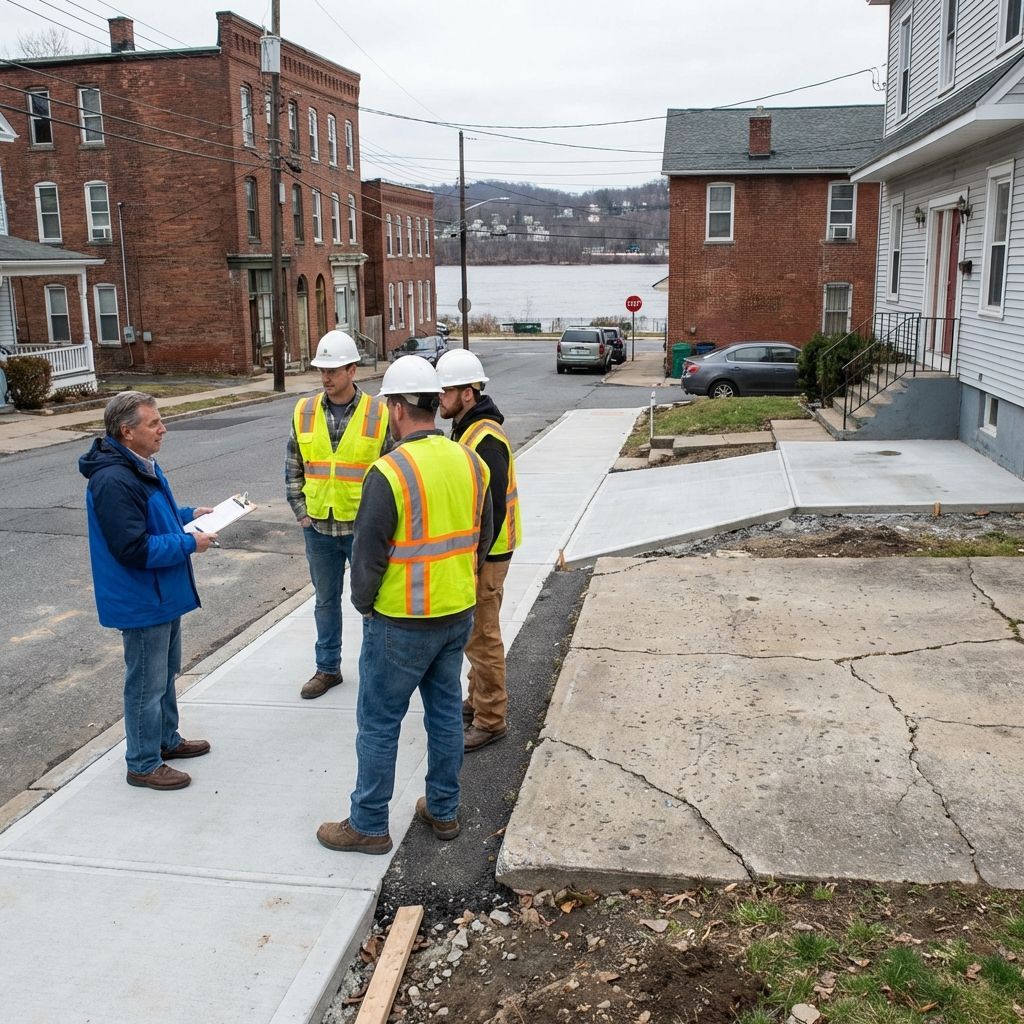
Concrete work is one of the most permanent improvements you can make to your property. A bad driveway pour, a poorly finished patio, or a pool deck installed without proper drainage — these aren't mistakes you can paint over or return. They're mistakes you live with for decades, or pay thousands to fix. Rockland County homeowners have specific things to worry about that homeowners in other parts of the country don't: brutal freeze-thaw cycles, Hudson River humidity, clay-heavy soil that shifts, and winters that put concrete through serious stress. The right contractor knows all of this. The wrong one doesn't know what they don't know. Here's how to choose wisely. 1. Verify They're Licensed and Insured in New York State In New York, home improvement contractors — including concrete contractors — must be registered with the New York State Department of State and licensed at the county level. In Rockland County, contractors must hold a valid Rockland County Home Improvement Contractor license. Before signing anything, ask for: Their Rockland County contractor license number General liability insurance (minimum $1 million) Workers' compensation insurance for all employees on your job Why does workers' comp matter? If a laborer is injured on your property and the company doesn't carry it, you could be held personally liable. It's a risk not worth taking. Ask: "Can you provide proof of your Rockland County license and a certificate of insurance?" Any legitimate contractor will hand these over without hesitation. 2. Ask Specifically About Freeze-Thaw Experience This is the single most important technical question you can ask a concrete contractor in Haverstraw. Rockland County averages 30+ freeze-thaw cycles per year. Water infiltrates concrete, freezes, expands by about 9%, and cracks the surface from the inside out. Over time, this causes spalling, scaling, and structural failure — especially in driveways and pool decks that get heavy use. A contractor who understands this will talk to you about: Proper concrete mix design — the right water-to-cement ratio for cold-climate durability (typically a low water-cement ratio around 0.45 or lower) Air entrainment — microscopic air bubbles intentionally introduced into the mix that give water somewhere to expand without cracking the surface Adequate thickness — residential driveways in cold climates should be at minimum 4 inches; 5-6 inches for heavy vehicle areas Control joints — pre-planned cut lines that direct cracking to predictable, manageable locations Proper sealing — applied at 28+ days to prevent water infiltration before winter If a contractor just says "yeah we do driveways" without being able to discuss these specifics, they're not the right fit for a Rockland County project. 3. Get At Least Three Written Quotes — And Read Them Carefully Concrete pricing in Rockland County varies significantly based on materials, thickness, reinforcement, finishing, and site prep. A quote that seems dramatically lower than others usually means something important is missing. When comparing quotes, look for: Base thickness specified (4" vs. 5" vs. 6") PSI of concrete mix (3,500 PSI minimum for driveways; 4,000+ for heavy use) Rebar or wire mesh reinforcement included or excluded Subbase preparation (gravel base depth — 4-6" is standard) Sealing included or priced separately Haul-away and cleanup of old concrete if replacing existing If one quote is $3,000 and another is $6,000, they may not be describing the same job. Ask each contractor to walk you through exactly what's included line by line. 4. Look at Actual Local Work — Not Just Website Photos Stock photos of beautiful concrete are everywhere online. What you want to see is work that contractor has personally completed in Haverstraw, West Haverstraw, Stony Point, or surrounding Rockland County communities. Ask for: A portfolio of recent local projects with addresses you can drive by References from customers within the last 12 months Before-and-after photos of projects similar to yours If you're having a stamped concrete patio installed, ask to see stamped concrete they've done locally — not just plain driveways. Decorative concrete finishing is a specialty skill, and not every contractor who pours driveways well can execute complex patterns and colors consistently. Drive by the references. A two-year-old driveway in Rockland County tells you a lot about quality. Look for cracking patterns, surface scaling, and how the edges have held up through multiple winters. 5. Understand the Timeline — And Be Skeptical of Anyone Who Rushes It Good concrete work cannot be rushed. Here's what a legitimate project timeline looks like in Rockland County: Site prep and subbase: 1-2 days (demo, grading, gravel base compaction) Forming and pour: 1 day Initial cure — no traffic: 24-48 hours minimum Light foot traffic: 3-7 days Vehicle traffic: 28 days minimum Sealing: 28-30 days after pour If a contractor says you can drive on your new driveway in a week, or wants to seal stamped concrete two weeks after the pour, those are red flags. Premature use and premature sealing are two of the most common causes of concrete failure in the first year. A trustworthy contractor will give you a realistic timeline and explain the curing process — not rush to the next job. 6. Confirm They Pull the Required Permits Many concrete projects in Haverstraw and Rockland County require building permits — particularly driveways (which affect stormwater runoff), patios above certain square footage, and pool decks. Some contractors skip permits to cut corners on time and cost. This creates problems for you when you try to sell your home and a home inspection flags unpermitted work — or when something fails and there's no code compliance record to back a warranty claim. Ask upfront: "Will you pull the necessary permits for this project, and is that included in the quote?" A contractor who offers to skip permits "to save you money" is not doing you a favor. 7. Check Google Reviews With a Focus on Long-Term Results Anyone can look good on day one. Concrete quality reveals itself over time — particularly after the first winter. When reading Google reviews for a Haverstraw concrete contractor, prioritize: Reviews that mention the project was done 6+ months ago and still looks great Specific mentions of driveways surviving winter without cracking or scaling Feedback on communication and timeline accuracy — did they show up when promised? How the company responded when something wasn't right Also check the Better Business Bureau and ask neighbors in your community. Word-of-mouth in Haverstraw, Stony Point, and Thiells is still one of the best ways to find contractors who consistently deliver. Why Rockland County Homeowners Choose Haverstraw Concrete At Haverstraw Concrete, we specialize in residential and commercial concrete throughout Haverstraw, West Haverstraw, Stony Point, Thiells, and all of Rockland County. We understand the specific demands of upstate New York winters, Hudson Valley soil conditions, and what it takes to pour concrete that lasts decades — not just looks good in photos. Every project includes proper subbase prep, air-entrained concrete mixes designed for freeze-thaw resistance, reinforcement, and transparent timelines you can count on. We're licensed, fully insured, and happy to provide references from recent projects in your neighborhood. Whether you need a new driveway, a stamped concrete patio, a pool deck, epoxy flooring, or concrete repair, we'll give you a written quote with no surprises. Call (845) 347-5663 for a free estimate. We serve homeowners and businesses throughout Rockland County, NY. Now you know what questions to ask. We're ready when you are.
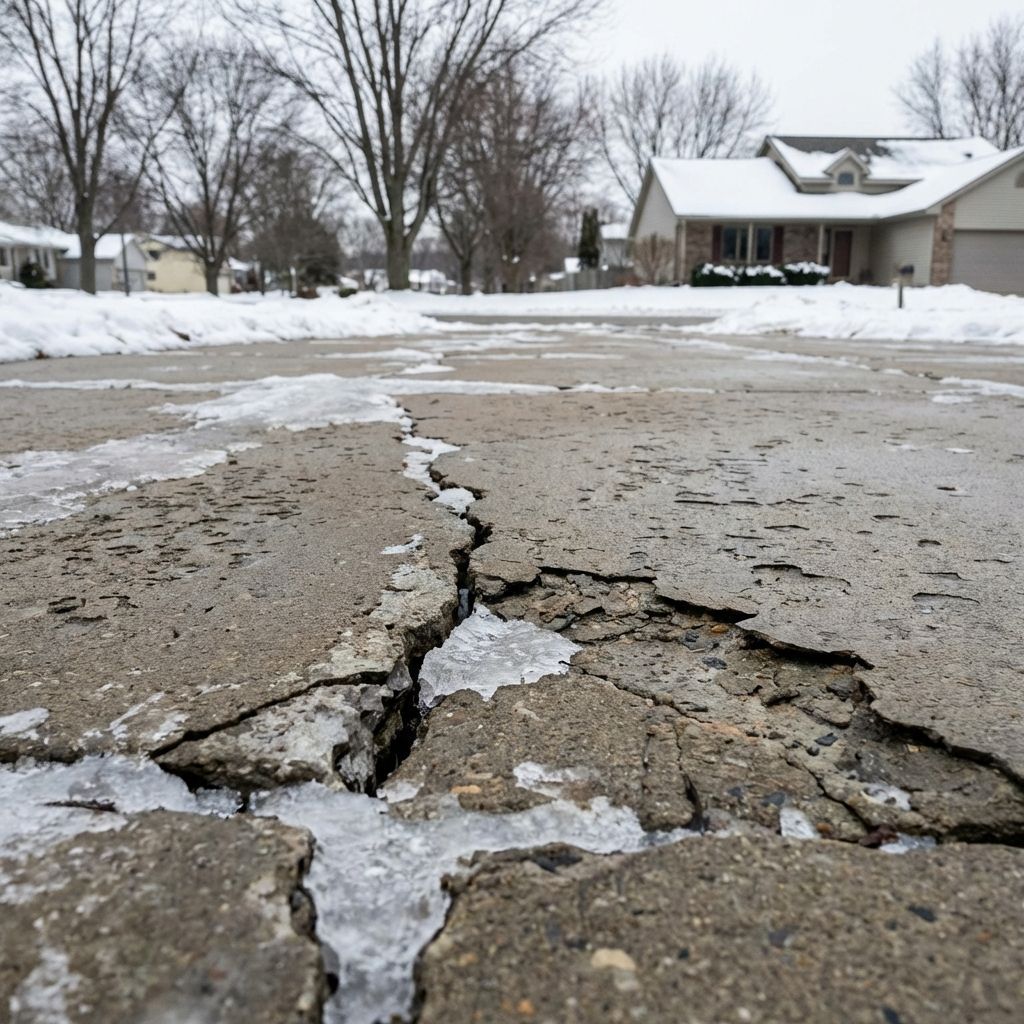
Right now, while you're reading this, your concrete driveway, patio, or walkway might be suffering invisible damage that will show up as cracks, crumbling, and costly repairs this spring. Rockland County's winter freeze-thaw cycles are the #1 enemy of concrete surfaces. Every time temperatures swing above and below freezing—which happens repeatedly throughout January, February, and March—your concrete endures another round of expansion and contraction that weakens its structure. Here's what Havertstraw homeowners need to know about freeze-thaw damage before spring arrives. What Freeze-Thaw Damage Actually Does to Concrete Concrete is porous. It absorbs moisture from rain, snow, and ice melt. When temperatures drop below 32°F, that moisture freezes and expands by approximately 9%. This expansion creates tremendous pressure inside the concrete—up to 50,000 pounds per square inch. The damage process: Water infiltrates – Moisture seeps into tiny pores and existing cracks in your concrete Temperature drops – Water freezes and expands, forcing cracks wider Temperature rises – Ice melts, and more water flows into the newly enlarged cracks Cycle repeats – Each freeze-thaw cycle causes progressively worse damage A single winter in Haverstraw, NY typically brings 40-60 freeze-thaw cycles. By the time spring arrives, minor surface cracks can become major structural problems requiring complete replacement. How to Spot Freeze-Thaw Damage (Before It Gets Worse) Early detection saves thousands in repair costs. Walk around your property and check for these warning signs: Surface Scaling and Flaking If the top layer of your concrete looks like it's peeling away in thin sheets, that's surface scaling—a telltale sign of freeze-thaw damage. This often appears first on driveways and walkways exposed to de-icing salts. Spalling (Chunks Missing) Larger pieces breaking off from the surface indicate advanced freeze-thaw damage. Once spalling starts, it accelerates rapidly because exposed aggregate allows even more moisture penetration. New or Widening Cracks Not all cracks mean immediate disaster, but cracks that appear during winter or existing cracks that are visibly wider than they were in fall signal active freeze-thaw damage. Pay special attention to cracks wider than ¼ inch—these need professional repair before spring. Popouts (Crater-Like Holes) Small, conical depressions on the concrete surface happen when aggregate near the surface absorbs water, freezes, and pops out. Multiple popouts indicate your concrete is saturated with moisture and vulnerable to continued damage. Uneven Surfaces and Settling Freeze-thaw action in the soil beneath concrete causes heaving—sections of your driveway or patio lifting unevenly. This creates dangerous trip hazards and drainage problems that worsen over time. Why Rockland County Is Particularly Tough on Concrete Our location near the Hudson River creates a perfect storm for concrete damage: Frequent Temperature Swings: Havertstraw doesn't stay consistently below freezing. We get warming trends in January and February that melt snow, saturate concrete, then refreeze overnight. This constant cycling causes more damage than consistently cold climates experience. Heavy Snowfall and Ice: Rockland County averages 30-40 inches of snow annually. That's 30-40 inches of moisture that seeps into concrete surfaces repeatedly throughout the season. De-icing Salt Use: Road salt and ice melt products accelerate freeze-thaw damage. Salt lowers water's freezing point, creating more freeze-thaw cycles at temperatures where plain water would stay frozen. It also pulls moisture into concrete through osmosis. Older Concrete: Many Havertstraw homes have driveways and patios installed 15-20+ years ago. Older concrete has more existing cracks and porous areas that allow moisture intrusion, making freeze-thaw damage worse. The Real Cost of Ignoring Winter Damage Small problems become expensive fast when it comes to freeze-thaw damage: Minor surface cracks (ignored): $500-1,500 professional repair Same cracks after one more winter: $3,000-5,000 partial replacement Complete failure (2-3 winters later): $8,000-15,000+ full replacement The difference between a $1,000 repair and a $10,000 replacement is often just one or two winters of neglect. Can You Repair Freeze-Thaw Damage? (It Depends) Whether your concrete can be repaired or needs replacement depends on damage severity: Repairable Damage: Cracks less than ¼ inch wide Isolated spalling affecting less than 15% of the surface Minor surface scaling without structural compromise Small sections of heaving or settling Replacement Required: Multiple wide cracks (½ inch or greater) Extensive spalling across large areas Structural instability or significant settling Rebar exposure or complete deterioration Professional assessment is critical. What looks like surface damage might indicate deeper structural problems that DIY repairs can't fix. Emergency Actions to Minimize Damage Right Now While winter isn't over, you can take steps to limit ongoing freeze-thaw destruction: Stop Using De-Icing Salt: Switch to sand for traction instead of chemical de-icers that accelerate concrete damage. If you must use ice melt, choose calcium chloride over sodium chloride—it's less aggressive on concrete. Improve Drainage: Keep gutters clear and ensure downspouts direct water away from concrete surfaces. Standing water and poor drainage dramatically increase freeze-thaw damage. Remove Snow Promptly: Don't let snow pile up on concrete surfaces. The longer it sits, the more meltwater penetrates your concrete through daily temperature fluctuations. Seal Cracks Temporarily: For cracks wider than ¼ inch, use temporary concrete crack filler to prevent water infiltration until professional repairs can be completed in spring. This isn't a permanent solution but limits further damage. Document Damage Now: Take photos of all cracks, spalling, and deterioration. This helps contractors provide accurate spring repair estimates and may be useful for insurance claims if damage is severe. Why Spring is Prime Repair Season Once Rockland County temperatures stabilize above 50°F consistently (typically late April/early May), conditions become ideal for concrete work: Concrete cures properly in moderate temperatures No risk of freeze damage to fresh concrete You can assess the full extent of winter damage Repairs are completed before summer when you want to use outdoor spaces Smart homeowners schedule spring concrete assessments in March or early April. This gives you time to plan, budget, and get on contractors' schedules before the rush. What Professional Concrete Repair Includes When you hire experienced concrete contractors in Havertstraw, here's what proper freeze-thaw damage repair involves: Complete assessment – Identifying all damage, not just visible surface problems Structural evaluation – Determining whether repair or replacement is appropriate Proper crack repair – Using routing, sealing, and sometimes carbon fiber reinforcement Spall patching – Removing damaged concrete and applying bonded repair materials Leveling and mudjacking – Raising settled sections and fixing drainage issues Sealing – Applying protective sealers that resist moisture penetration and future freeze-thaw damage Quality repairs extend concrete life by 10-15 years or more, making them far more cost-effective than premature replacement. Preventing Future Freeze-Thaw Damage New concrete or properly repaired surfaces need protection from next winter's freeze-thaw cycles: Quality Installation Matters: Concrete properly installed with adequate thickness (minimum 4 inches for driveways), proper reinforcement, and correct mix design resists freeze-thaw damage far better than thin or improperly mixed concrete. Regular Sealing: Applying penetrating concrete sealer every 2-3 years reduces moisture absorption by up to 95%. This single maintenance step prevents most freeze-thaw damage. Proper Drainage: Ensuring water flows away from concrete surfaces prevents the saturation that makes freeze-thaw damage possible. Crack Maintenance: Repairing small cracks promptly (within the first year) prevents moisture infiltration that leads to major problems. Don't Wait Until Spring to Schedule Your Assessment By the time snow melts and you see the full extent of winter damage, concrete contractors are booking weeks or months out. Homeowners who wait until May often can't get repairs scheduled until July or August. Schedule your concrete damage assessment now—during winter—so you're first in line when spring repair season begins. Get Your Free Concrete Damage Assessment Haverstraw Concrete specializes in freeze-thaw damage repair and replacement throughout Rockland County. We've helped hundreds of Havertstraw homeowners restore concrete destroyed by harsh winters. Our services include: Free damage assessment and repair estimates Professional crack repair and spall patching Complete driveway and patio replacement Mudjacking and concrete leveling Protective sealing and waterproofing Spring scheduling priority for winter damage repairs Call (845) 347-5663 today to schedule your spring concrete repair consultation. Don't let another freeze-thaw cycle destroy your concrete. Get ahead of spring rush and protect your property investment with professional concrete repair from Havertstraw's trusted experts. Serving Haverstraw, West Haverstraw, Stony Point, Thiells, and all Rockland County, NY with expert concrete repair and installation services.
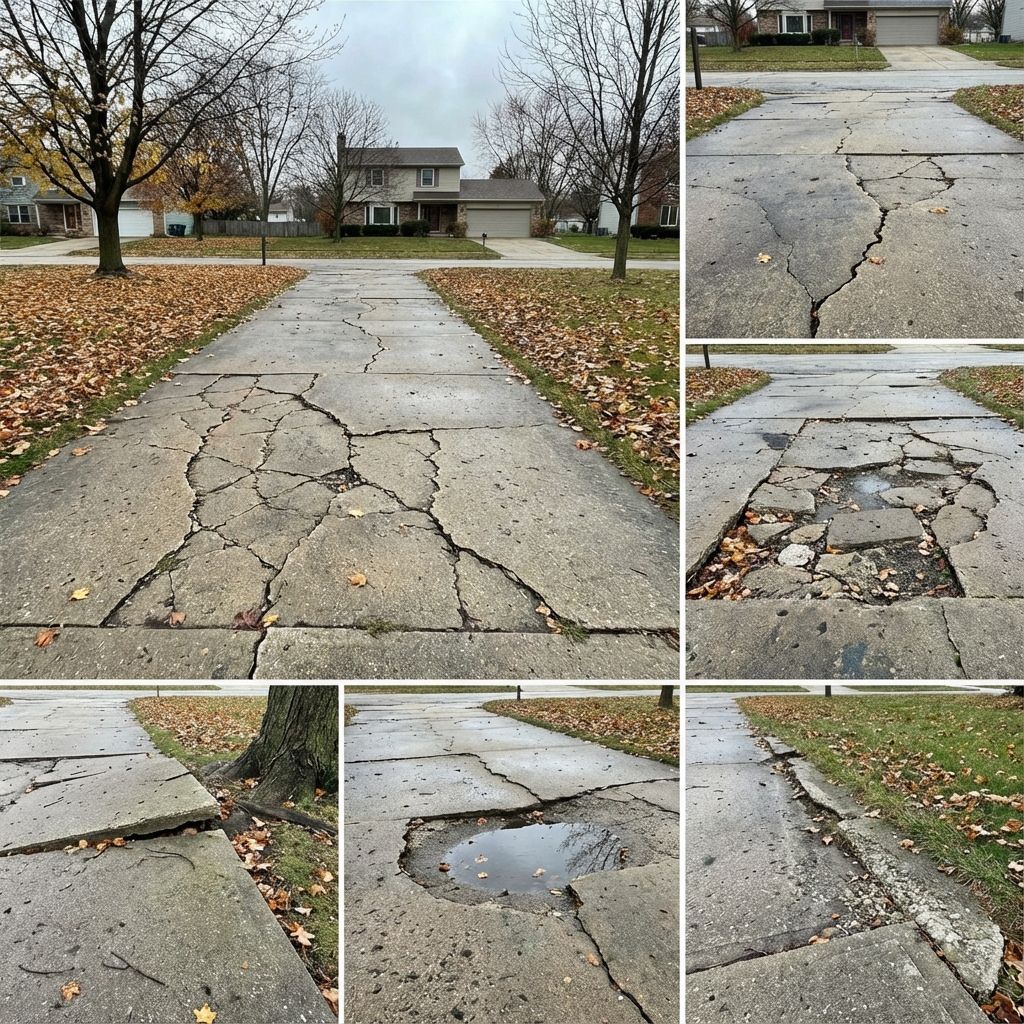
Your driveway takes a beating year after year, especially here in Rockland County where we experience harsh freeze-thaw cycles, heavy snow, and road salt exposure. If you've been ignoring those cracks and uneven sections, you're not alone—but waiting too long can turn a manageable repair into a costly emergency. As Haverstraw's trusted concrete experts , we've seen how quickly driveway problems escalate when left unaddressed. Here are five warning signs that your driveway needs professional concrete replacement before the next winter season arrives. 1. Widespread Cracking Across the Surface Small hairline cracks are normal as concrete ages, but when you start seeing multiple large cracks—especially those wider than a quarter-inch—it's time to consider replacement rather than patching. In Haverstraw's climate, water seeps into these cracks during the day and freezes overnight during winter months. This freeze-thaw cycle causes the cracks to expand rapidly, breaking down the concrete from within. What starts as a few cracks in October can become a crumbling mess by March. Why Patching Won't Work Long-Term Many homeowners try to save money by filling cracks with sealant, but this is only a temporary fix. Once the underlying concrete structure is compromised, those cracks will return—often within the same season. A full replacement gives you a fresh start with properly mixed, reinforced concrete designed to handle our local weather conditions. 2. Sunken or Uneven Sections Creating Trip Hazards Notice how one section of your driveway sits lower than the rest? This happens when the soil beneath the concrete settles or washes away, leaving voids that cause the concrete to sink. Uneven driveways are more than an eyesore—they're a serious liability. If a guest trips and falls on your property, you could face a costly lawsuit. This is especially concerning during winter when ice accumulates in these low spots, creating slippery, hazardous conditions. Rockland County's clay-heavy soil is particularly prone to shifting, which is why proper base preparation is critical during installation. If your current driveway wasn't built with adequate base material, replacement is your best option to prevent recurring settling issues. 3. Drainage Problems and Standing Water After a rainstorm, does water pool on your driveway instead of draining away? This indicates improper grading or slope—a problem that only gets worse over time. Standing water accelerates concrete deterioration by keeping the surface perpetually moist. In winter, these puddles freeze into dangerous ice patches. The constant moisture also promotes mold and algae growth, making your driveway slippery even in dry weather. When we replace driveways in West Haverstraw, Thiells, and Garnerville, we ensure proper drainage by creating the right slope away from your home and toward designated drainage areas. This protects both your driveway and your foundation from water damage. 4. Spalling and Surface Flaking Spalling refers to when the concrete surface starts to flake, chip, or peel away, exposing the aggregate underneath. This happens when water penetrates the surface and freezes, causing the top layer to separate from the base. Once spalling begins, it spreads quickly. You'll notice small flakes at first, but within a season or two, large chunks of concrete will break away, creating a rough, pitted surface that's difficult to walk on and damaging to vehicles. Spalling is particularly common in driveways exposed to road salt, which we see plenty of here in Haverstraw during winter. The salt accelerates the freeze-thaw damage, making replacement the only viable long-term solution. 5. Your Driveway is Over 25 Years Old Even well-maintained concrete driveways have a lifespan of about 25-30 years. If your driveway is approaching this age, it's likely experiencing multiple issues simultaneously—cracks, settling, drainage problems, and surface deterioration. Rather than pouring money into constant repairs, replacement makes more financial sense. Modern concrete mixes are stronger and more resistant to our local weather conditions than older formulations. You'll also have the opportunity to upgrade to decorative finishes like stamped or stained concrete that enhance your home's curb appeal. Why Timing Matters: The Best Season for Concrete Work Here in Rockland County, late spring through early fall is the ideal time for concrete installation. The consistent temperatures allow the concrete to cure properly, creating a stronger, longer-lasting surface. If you're noticing these warning signs now, don't wait until winter exposes more damage. Schedule your concrete replacement during the warmer months to ensure optimal results and avoid the spring rush when contractors are booked solid. What to Expect from Professional Concrete Replacement When you work with experienced Haverstraw concrete contractors, here's what the replacement process typically involves: Initial Assessment and Quote: We'll evaluate your current driveway's condition, discuss your needs and preferences, and provide a detailed estimate. Demolition and Removal: The old concrete is broken up and hauled away, along with any unstable base material. Base Preparation: We'll install a properly compacted gravel base—typically 4-6 inches thick—to prevent future settling. This step is crucial in our area due to the soil conditions. Concrete Installation: We pour high-quality concrete mixed to the right specifications for our climate, with proper reinforcement and finishing techniques. Curing Time: New concrete needs about 7 days to cure before you can drive on it, though it continues hardening for weeks afterward. The entire process usually takes 2-5 days depending on your driveway's size and complexity, and you'll enjoy the results for decades to come. Common Driveway Design Options for Haverstraw Homes When replacing your driveway, you're not limited to plain gray concrete. Consider these popular upgrades: Stamped Concrete: Mimics the look of brick, stone, or slate at a fraction of the cost. Popular patterns include ashlar slate, cobblestone, and random stone. Colored Concrete: Integral color mixed throughout the concrete or topical stains create attractive earth tones that complement your home's exterior. Exposed Aggregate: A textured finish that reveals the decorative stones within the concrete, providing excellent traction and visual interest. Broom Finish: The most economical option, offering good traction and a clean, professional appearance. Each option has different maintenance requirements and price points. We can help you choose the best finish for your budget and aesthetic preferences. Protecting Your Investment: Concrete Maintenance Tips Once you've invested in a new driveway, proper maintenance extends its lifespan significantly. Here are essential care tips for Rockland County homeowners: Seal Your Concrete: Apply a quality sealer every 2-3 years to protect against moisture penetration and salt damage. Use Salt Alternatives in Winter: Calcium chloride or sand are less damaging to concrete than traditional rock salt. Keep It Clean: Remove oil stains promptly and sweep away debris regularly to prevent surface staining. Avoid Heavy Equipment: Dumpsters, moving trucks, and other extremely heavy vehicles can crack even new concrete. Fill Cracks Immediately: If small cracks do appear, seal them right away to prevent water infiltration. Don't Wait Until It's an Emergency The difference between a planned concrete replacement and an emergency repair often comes down to timing and cost. When you address problems proactively, you can schedule the work during optimal weather conditions, compare quotes from multiple contractors, and potentially save thousands of dollars. Emergency replacements—like when your driveway becomes completely unusable or creates a liability issue—force you to accept whatever contractor is available at premium rush rates. Get Your Free Driveway Assessment Today If you've noticed any of these warning signs in your Haverstraw driveway, don't let another winter season cause more damage. Our experienced concrete team serves Haverstraw, West Haverstraw, Thiells, Garnerville, and surrounding Rockland County communities with professional driveway replacement services. We provide free, no-obligation assessments where we'll evaluate your driveway's condition, discuss your options, and give you an honest recommendation about whether you need repair or replacement. Our locally-based team understands the unique challenges of working with concrete in our climate and builds driveways designed to last. Contact us today to schedule your free consultation . Let's get your driveway project completed before the next freeze-thaw cycle begins—your home deserves a safe, beautiful entrance that adds value and curb appeal for years to come. Serving Haverstraw, West Haverstraw, Thiells, Garnerville, Stony Point, and all of Rockland County with quality concrete services. Licensed, insured, and committed to customer satisfaction.
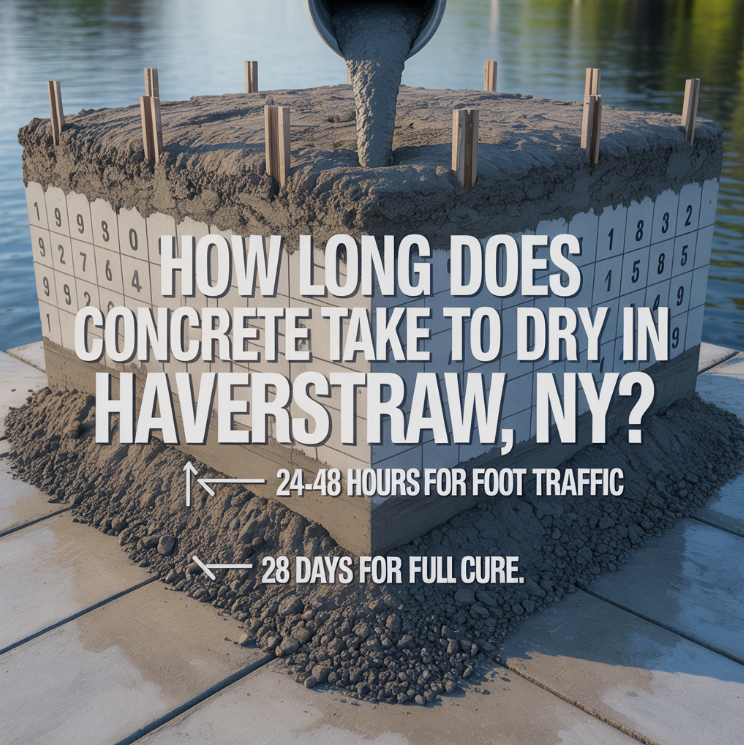
When planning a concrete project for your Haverstraw home or business, one of the most common questions homeowners ask is: "How long does concrete take to dry?" Whether you're installing a new driveway, patio, pool deck, or walkway in Rockland County, understanding concrete drying times helps you plan your project timeline and avoid costly mistakes. At Haverstraw Concrete, we've completed countless residential and commercial projects throughout Haverstraw, West Haverstraw, Stony Point, and Thiells. In this comprehensive guide, we'll break down everything you need to know about concrete drying and curing times specific to our local climate. Understanding Concrete Drying vs. Curing: What's the Difference? Before we dive into timeframes, it's important to understand that concrete doesn't actually "dry"—it cures. This is a common misconception that can lead to problems if you treat your new concrete surface incorrectly. Drying refers to moisture evaporation, while curing is a chemical process where concrete gains strength through a reaction between cement and water called hydration. For optimal strength and durability in Rockland County's climate, concrete needs consistent moisture during the curing process. Concrete Drying Timeline: When Can You Use Your New Surface? Initial Set: 24-48 Hours After your concrete is poured, you can expect the initial set to occur within 24 to 48 hours. During this phase: The concrete is firm enough to walk on carefully You should avoid driving vehicles on the surface Keep pets and children off the area Avoid placing heavy objects on the concrete This timeline can vary based on Haverstraw weather conditions. Hot, dry summer days may speed up the process, while cool, humid conditions common in spring and fall may extend the timeline. Light Use: 3-7 Days After approximately one week, your concrete driveway, patio, or walkway can handle light foot traffic and activities. However, this is still too early for: Parking vehicles (especially heavy trucks or SUVs) Placing heavy furniture or planters Applying sealants or decorative coatings High-impact activities Full Strength: 28 Days This is the magic number in the concrete industry. At 28 days, concrete reaches approximately 90-95% of its full strength. This is when you can: Park vehicles without worry Place heavy outdoor furniture and grills Apply sealants and protective coatings Use the surface for its intended purpose without restrictions Complete Cure: 60+ Days While concrete is considered "fully cured" at 28 days for most purposes, it continues to gain strength for months and even years afterward. For optimal long-term durability, concrete continues curing for 60 days or more. Factors That Affect Concrete Drying Time in Rockland County Temperature and Weather Haverstraw's seasonal weather plays a significant role in concrete curing: Summer (75-85°F): Ideal conditions for concrete curing, though extreme heat can cause surface drying too quickly Spring/Fall (50-75°F): Excellent curing conditions with moderate temperatures Winter (Below 50°F): Curing slows dramatically; winter projects require special considerations and protection Our team at Haverstraw Concrete monitors weather forecasts closely and uses techniques like curing blankets and additives when necessary to ensure proper curing regardless of season. Humidity Levels Rockland County's humidity, especially near the Hudson River, generally benefits concrete curing. Higher humidity slows evaporation, allowing the chemical curing process to proceed optimally. Very dry conditions can cause surface cracking and reduced strength. Concrete Mix Design Different projects require different concrete mixes: Standard concrete: 28-day cure time Fast-setting concrete: Can be walked on in 3-4 hours, but still needs 28 days for full strength Decorative/stamped concrete: May require additional curing time to prevent surface damage Our experienced team selects the appropriate mix for your specific Haverstraw project to ensure optimal results. Thickness and Surface Area Thicker concrete takes longer to cure completely: Standard 4-inch driveway slabs: Standard 28-day timeline Thicker commercial applications: May need extended cure times Large surface areas: Require more careful moisture management Best Practices for Concrete Curing in Haverstraw, NY To ensure your concrete project achieves maximum strength and longevity, follow these professional recommendations: Keep It Moist Contrary to popular belief, concrete needs moisture to cure properly. For the first 7 days after installation, your concrete should be kept damp by: Misting with a garden hose 2-3 times daily Covering with plastic sheeting to retain moisture Using wet burlap or curing blankets Applying curing compounds (our team handles this) Protect from Extreme Temperatures In Haverstraw's hot summer months, prevent rapid surface drying by keeping concrete shaded and moist. During cooler months, protect fresh concrete from freezing temperatures using insulated blankets. Avoid Early Traffic We know it's tempting to use your beautiful new driveway or patio immediately, but patience pays off. Early traffic can cause: Surface damage and scaling Reduced long-term durability Cracking and structural weakness Compromised decorative finishes on stamped concrete Don't Rush the Sealing Process For decorative concrete, stamped concrete, or any surface you plan to seal, wait at least 28 days before applying sealant. Sealing too early traps moisture inside the concrete, preventing proper curing and potentially causing discoloration or damage. Special Considerations for Different Concrete Projects Concrete Driveways in Haverstraw Driveways are the most demanding concrete application, bearing the weight of vehicles daily. For residential driveways in Rockland County: Wait 7 days minimum before light vehicle traffic Wait 28 days for regular use and heavy vehicles Consider extending the cure time to 60 days for commercial vehicles or RVs Stamped Concrete Patios and Walkways Stamped concrete requires extra care during curing because the decorative surface is more vulnerable: Avoid walking on stamped surfaces for at least 3 days Wait 28-30 days before sealing Protect from rain during the first 24 hours to prevent surface damage Keep decorative surfaces covered during curing Concrete Pool Decks Pool deck concrete has unique requirements due to constant moisture exposure: Wait 28 days minimum before filling the pool Apply slip-resistant sealers only after complete curing Ensure proper slope for drainage before concrete sets Consider cool-deck coatings for summer comfort (applied after curing) Commercial Concrete Projects Businesses in Haverstraw and Rockland County need to minimize downtime. Our team can work with you to: Schedule projects during slow periods Use fast-setting mixes where appropriate (with understanding of limitations) Plan phased installations to keep portions of your facility operational Provide accurate timelines for reopening Common Concrete Curing Mistakes to Avoid Mistake #1: Assuming "Dry" Means "Cured" Just because the surface looks and feels dry doesn't mean it's ready for use. The curing process happens deep within the concrete and continues for weeks. Mistake #2: Neglecting Moisture Management Many homeowners let fresh concrete "dry out" naturally, which actually weakens the final product. Proper moisture management during the first week is critical for strength. Mistake #3: Parking Too Soon We see this frequently with driveway projects. Parking vehicles before the 7-day minimum can cause permanent surface damage, tire marks, and structural weakening. Mistake #4: Early Sealing Sealing decorative or stamped concrete before it's fully cured traps moisture, leading to discoloration, clouding, and potential adhesion failure. Mistake #5: Ignoring Weather Forecasts Rain within the first 24 hours can damage fresh concrete surfaces. Our professional team monitors forecasts and takes protective measures to ensure perfect results. Why Timing Matters for Your Haverstraw Concrete Project Understanding concrete curing times helps you: Plan landscaping projects around new concrete installations Schedule outdoor events after patio installations Coordinate move-in dates for new construction Budget for temporary parking during driveway replacement Set realistic expectations for project completion At Haverstraw Concrete, we provide detailed timelines for every project and keep you informed throughout the process. Our goal is to deliver beautiful, durable concrete that serves your home or business for decades. Professional Installation Makes All the Difference While understanding curing times is important, the quality of installation matters just as much. Proper concrete placement, finishing, and curing techniques ensure: Maximum strength and durability Resistance to Rockland County's freeze-thaw cycles Beautiful, even surfaces with decorative concrete and stamping Minimal cracking and maintenance issues Long-term value for your property Our experienced team at Haverstraw Concrete has completed hundreds of projects throughout West Haverstraw, Stony Point, Thiells, and surrounding areas. We understand local soil conditions, climate considerations, and building codes that affect concrete performance. Ready to Start Your Concrete Project in Haverstraw? Now that you understand concrete curing times and what to expect, you're ready to plan your project with confidence. Whether you need a new driveway, decorative patio, pool deck, or commercial concrete work, Haverstraw Concrete delivers superior craftsmanship with attention to detail. Why Choose Haverstraw Concrete? ✓ Local expertise in Rockland County climate and conditions ✓ Quality materials and proven installation techniques ✓ Transparent timelines so you know exactly what to expect ✓ Licensed and insured for your peace of mind ✓ Free estimates with no hidden fees Don't let uncertainty about concrete drying times delay your project. Our knowledgeable team guides you through every step, from initial consultation to final cure. Call Haverstraw Concrete today at (845) 347-5663 for your free consultation and same-day quote! We serve homeowners and businesses throughout Haverstraw, West Haverstraw, Stony Point, Thiells, and all of Rockland County, NY. Let's create something beautiful and lasting for your property.